
So you've got Oscar, SleepHQ, SleepLink, MyAir, My CPAP Tracker, around 10 mobile options, and there are a bunch of new ones every second.
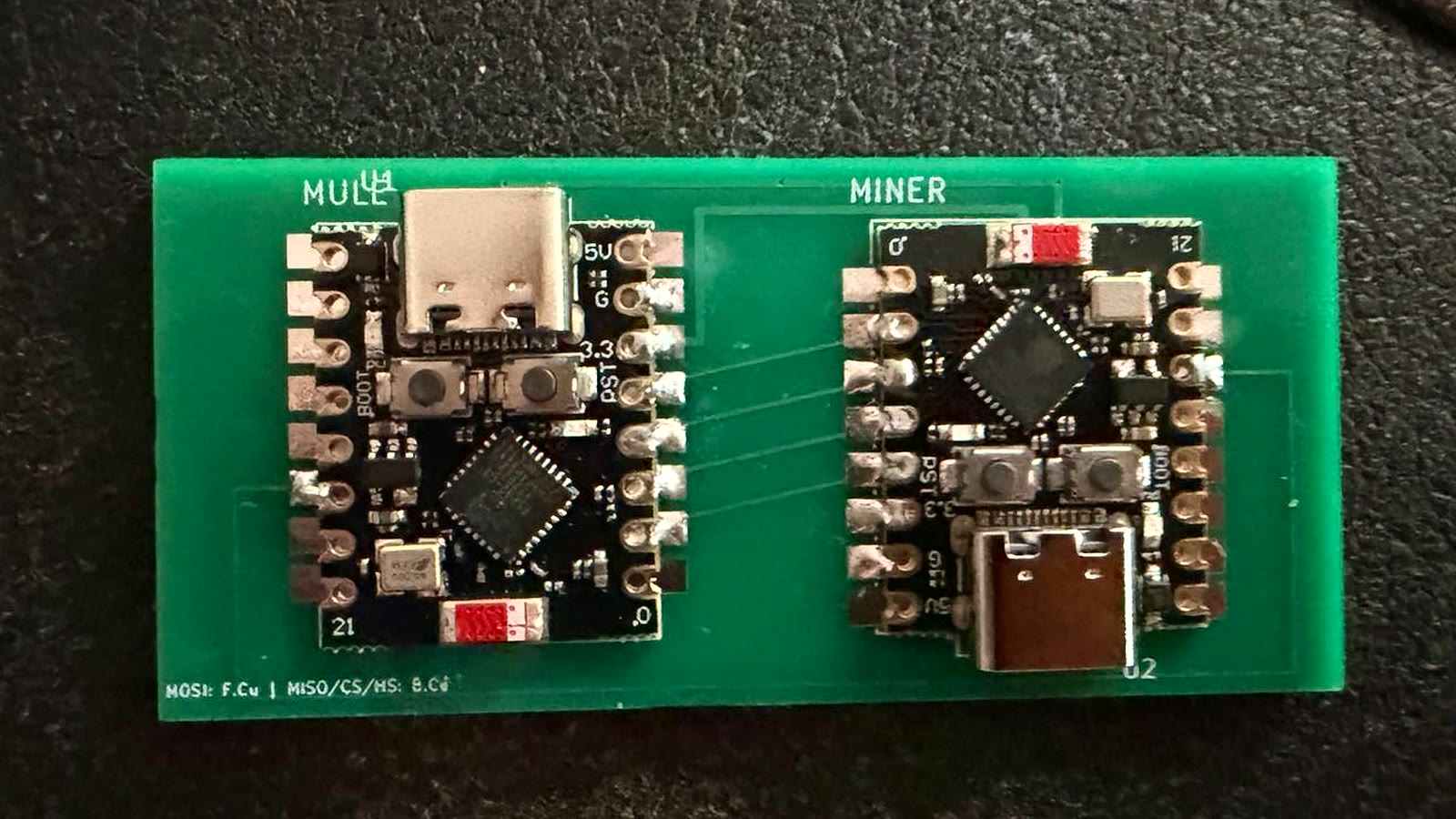
At its simplest, CpapDash is a small device that sits next to your CPAP and a dashboard that's waiting for you every morning without the SD card shuffle hassle, or an app that hides half the numbers. But to explain why it works the way it does, I have to go back to my home lab. (How that little device actually came to be is a long, very niche story for another post: travel routers, dual antennas, a Pi, and finally the Mule and Miner.)
It started as a home lab project
With so many alternatives to PAP visualization in the market, why does this app exist at all? CpapDash is basically my own mirrored approach to HMS-CPAP (https://github.com/hms-homelab/hms-cpap), an open source project I started for my own home lab to acquire my data automatically from my ResMed AirSense 10 and create events around my own infrastructure.
In the beginning I just wanted to know exactly the minute my therapy would start and end. Then with the SD card approach, and especially using an ezShare WiFi SD card, I started realizing I could get more and more events in an almost real-time fashion.
Like almost everyone else who has discovered Oscar, I realized there was a ton more data on the SD card than what the official ResMed app, MyAir, publishes. And as I am kind of a data maniac, I wanted it all out, automatically, locally, and as fast as it would get written.
In that way I could be publishing into my own event bus at home, and these events could be used for, well, whatever I wanted: notifications, statistics, warnings, machine learning. I mean, the possibilities ahead once I figured out there was a bridge worth building.
Why put it in the cloud
But CpapDash as a cloud alternative is way more than a local service. For me it's the chance to make this approach available for many, many people that, like me, I'm sure would want ALL their data available, for deep analysis to better improve their habits and their sleep, adjusting the machine pressure settings, or just to know what's going on. And if there was a way to just get the gist of it every morning, without too much hassle, well, that would be amazing.
And yes, I know, going from "I wanted it all locally" to "let's put it in the cloud" sounds like a contradiction, but it makes all of this effortless, so the data shows up. This service and the mobile app were really the best way I found to avoid the big headache of managing everything else for the majority of people.
So that's why I figured: hey, let's provide a platform where people can just have a small device, configure it once, and forget that it exists, and every morning they'll get notifications, analysis, trends, warnings, etc. And then the power of SaaS doesn't stop there: having a common service at the tip of your hands allows for things like sharing automatic data between trusted partners, having the data available 24/7 for their doctors, or for their own efforts, getting trusted summaries of what's going on during certain periods of time. I mean, it's a lot that can be built once the data is out of an enclosed space and secured into an online profile.
So what's actually different?
So, again, what's different about CpapDash? Timing, immediacy, events, monitoring, learning about your own habits, and the chance to improve them. Nothing else I have searched out there really fulfilled what I was looking for, so I went out and built it for myself, and many people in the community liked it.
That's it.
If any of this sounds like something you've wanted too, take a look around, see what a morning on the dashboard looks like, or dig into the open-source side over at HMS-CPAP. And if you end up building your own bridge instead, even better. That's kind of the whole point.